
“If you’re still using 2024 marketing tactics, you’re already falling behind. Search is fragmenting across Instagram, YouTube, TikTok, ChatGPT, and even browsers.”
~ Neil Patel
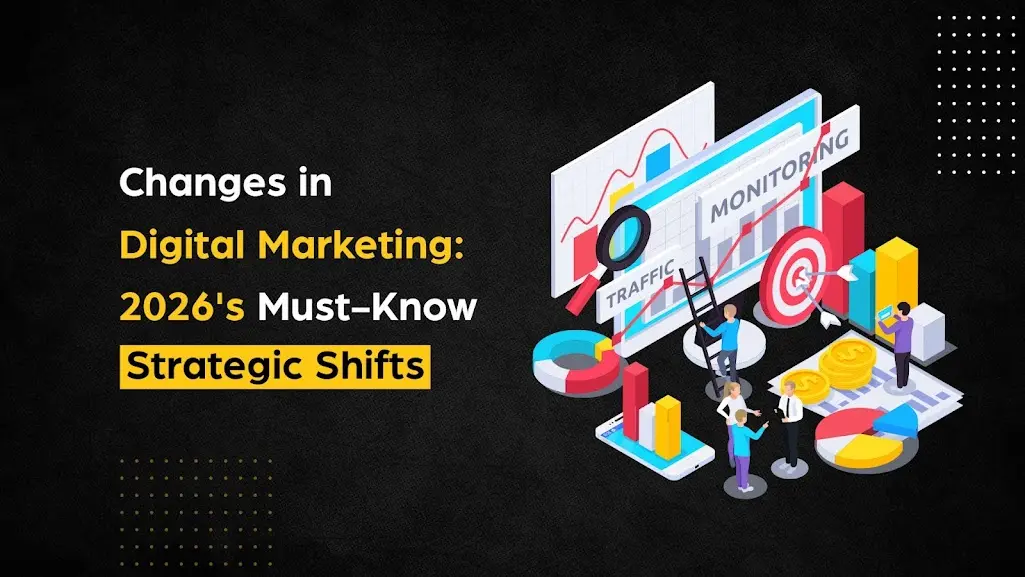
The digital marketing industry is one of the few that can change overnight, and 2026 comes with game-changing trends no business owner can afford to ignore. Regardless of whether your business is B2B or local, when considering the future of marketers and what we can do to remain in the game, knowing these up-and-coming trends in digital marketing will be key.
From AI-fueled personalization to privacy-first practices, digital marketing trends in 2026 are changing the way brands connect with their customers. If you want to utilize digital marketing services for local business that creates measurable results in lead generation, then it’s time for you to change your tactics.
Ready to transform your digital presence? Contact us today to discuss how our strategies can elevate your brand.
Get the Ultimate Digital Marketing Checklist. Download Now! 👇
42Works’ Complete Digital Marketing Checklist
AI-Powered Personalization Takes Center Stage
Artificial intelligence has moved beyond simple chatbots and recommendation engines. In 2026, AI integration defines a successful marketing strategy for 2026 implementations across industries. Smart marketers are leveraging machine learning to predict customer behavior with unprecedented accuracy.
Hyper-Targeted Content Delivery
The era of one-size-fits-all content has officially ended. Today’s shoppers want experiences that are personalized based on their interests, preferences, and past browsing activities. The result: brands are reconsidering how they produce, distribute, and refine content so that it doesn’t just feel relevant but feels new.
- Dynamic content generation: AI technologies are now generating personalized website experiences that change in real time depending on the behavior and demographics of visitors. They aren’t stiff pages at all, but content that changes depending on how you browse, what you tap, and what you do.
- Predictive analytics: Advanced algorithms predict what consumers want before they know it. That gives marketers the ability to build proactive campaigns that feel timely and helpful, rather than reactive.
- Automated A/B testing: Machine learning puts all content variations to the test and optimizes performance with no need for constant manual intervention. This gradually results in improved engagement and conversion rates.
- Sentiment analysis integration: Brands can have an accurate sense of what audiences think through real-time tracking of customer reactions across multiple channels. The message can then be fine-tuned on-the-fly to remain in sync with what the audience will or will not accept.
- Cross-platform consistency: AI also ensures that continuity on all touchpoints leads to personalized experiences that are smooth, whether a person comes into contact with you using a mobile, desktop, or in-store environment.
Implementing AI Without Losing Human Touch
Although the automation means more efficiency, a real connection is still important. The most successful campaigns in 2026 are ones that play both the technological game, in terms of airtight analytics and computer-driven targeting, and the old-fashioned human game.
Businesses that work in collaboration with an ROI-driven digital marketing company understand that AI is most effective when it positions itself to enhance creativity, not replace it.
Human oversight procedure
Process of structured protocol and risk management to ensure that AI-generated outputs do not go out of control with the company’s brand voice and ethical boundaries.
Empathy mapping exercises
Teams overlay findings of AI-generated information with qualitative research to understand the emotional factors behind why people buy.
Transparent AI usage
Brands that are open about the use of AI tend to gain more trust from audiences, who are finding it increasingly difficult to tell apart humans and bots in marketing.
Creative AI collaboration
Brands that are open about the use of AI tend to gain more trust from audiences, who are finding it increasingly difficult to tell apart humans and bots in marketing.
Per recent Google Trends data, searches of “AI marketing personalization” have increased 340% year over year, pointing to clear and growing interest in this space. Businesses investing in these capabilities are seeing conversion rate improvements averaging between 25 and 40 percent.
Explore our B2B digital marketing agency services to learn how we integrate cutting-edge AI tools with proven marketing fundamentals. Get in touch to schedule a personalized consultation.
Privacy-First Marketing Becomes Non-Negotiable
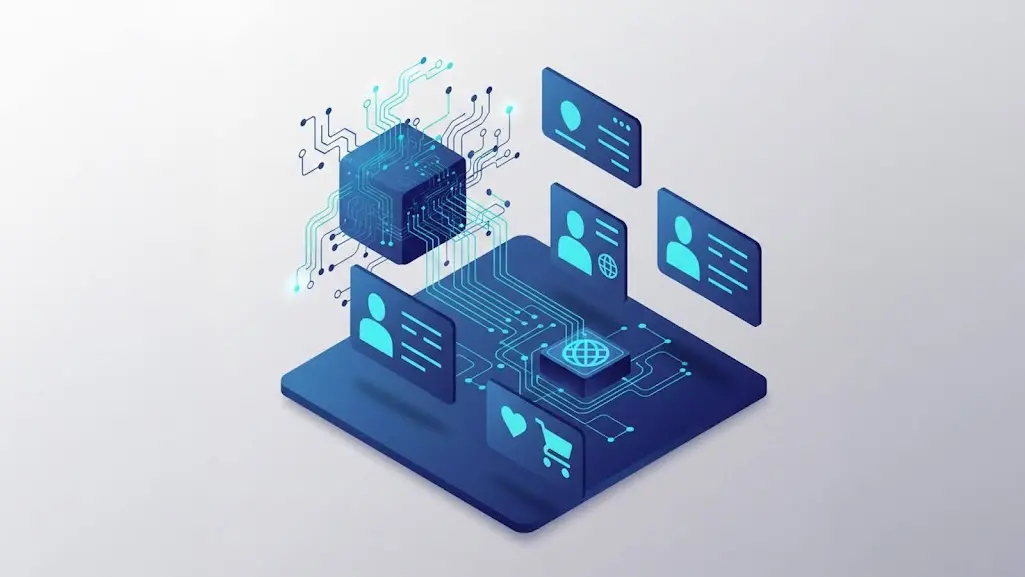
The end of the third-party cookie has shattered the digital advertising landscape as we once knew it. Instead, B2B marketing trends in 2026 are trending in favor of direct relationships and meaningful first-party data capture rooted in trust. The brands that manage to tread the balancing act of privacy and relevance aren’t just keeping in line. They are creating deeper, more sustainable customer relationships.
Today’s audiences are more aware of how their data is used. Because of this, companies that clearly communicate their data practices while delivering genuinely helpful experiences stand out. Privacy is no longer a legal checkbox. It has become part of brand credibility.
First-Party Data Strategies That Actually Work
Smart marketers are developing robust systems to collect, manage, and activate customer data ethically and effectively. This transition requires significant infrastructure investment but pays dividends through improved customer lifetime value and reduced dependency on external platforms.
- Value-based data collection: Providing real value (in the form of tools, exclusive content, and personalized suggestions) in return for customer information.
- Progressive profiling methods: Gradually developed customer profiles across several interactions instead of asking the user for everything at once.
- Zero-party data generation: Getting customers to willingly share information through quizzes, preference centers, and interactive experiences.
- Managing user consent: Building advanced solutions to simplify and make privacy commands clear and easy to use for users.
- Customer data platforms (CDPs): Consolidating all this data in a single place to have a unified view of the customer, while remaining compliant with policies.
Zero-Party Data: The New Marketing Gold
Customers are more willing to share information when they see a clear benefit. Successful B2B marketing in 2026 focuses on creating these value-driven exchanges through interactive and personalized experiences.
Interactive assessments
Quizzes and calculators provided instant results and allowed us to collect preference data in a non-invasive manner.
Preference centers
Giving users control over the content they receive and how frequently they hear from brands builds transparency and long-term engagement.
Gamification elements
Reward-based systems encourage profile completion and deeper interaction without feeling forced.
Community platforms
Closed peer networks expose interests, problems, and requirements through consistent engagement over time.
Studies show that engagement rates of campaigns based on zero-party data are three times higher than those using third-party cookie-based targeting. For companies in search of a digital marketing agency that specializes in lead generation and brand recognition, ethical and transparent data practices are now crucial. It is becoming a defining factor in long-term success.

Discover related insights in our article on modern customer data strategies
Video Content Dominance Across All Platforms
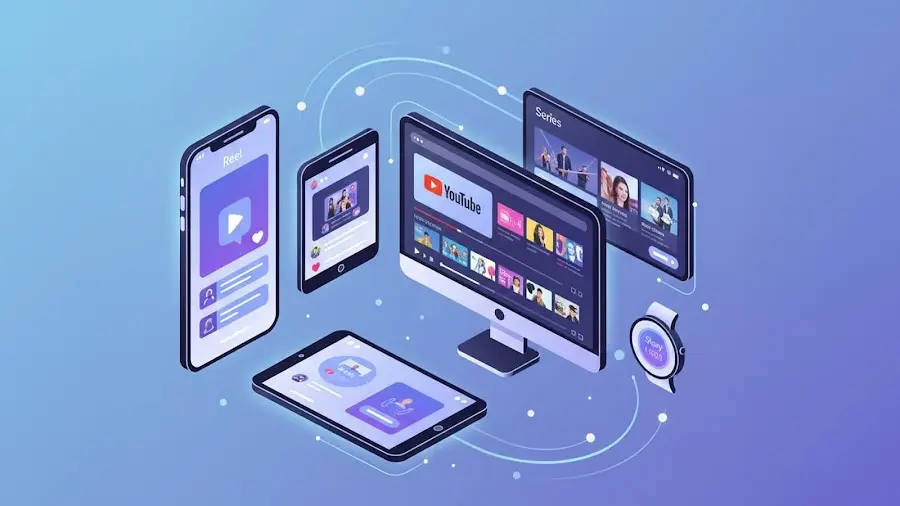
Short-form video has completely reshaped social media marketing trends in 2026, and the impact reaches far beyond entertainment platforms. B2B buyers now turn to video during research and decision-making, which is changing how brands present expertise, educate audiences, and build trust. Instead of long written explanations alone, companies are using visual storytelling to make complex ideas easier to understand.
Short-Form Video for B2B Audiences
LinkedIn, formerly for text-heavy content, now favors video in its algorithm. In fact, industry experts are breaking down complex ideas into short 60- to 90-second videos, which simply outperform static creative content massively. This shift challenges traditional assumptions about professional content consumption.
- Educational micro content: Disseminating micro-formatted videos on industry know-how to be consumed in portions by working professionals during their short breaks.
- CEO and Executive Thought Leadership: Video can help brands become relatable rather than just talking about themselves as a company.
- Customer Testimonial Stories: These provide short stories, and short stories contain actual results in an interesting form.
- Behind-the-Scenes Content: The art of demystifying processes and ensuring transparency through workplace culture videos
- Live Q&As: Interactive video formats that foster two-way engagement and posit the brand as a source of accessible expertise.
Long-Form Content Still Holds Value
And even though digestible short-form content is king when it comes to social feeds, long-form content (webinars, tutorials, and masterclasses) is essential for feeding your qualified leads as the consideration phase advances. The trick is to align content length with customer journey phases.
Extended webinar programs
In-depth educational tracks that make you an expert and fuel a high-intent lead foundation.
Tutorial series creation
Step-by-step guides offering real value while demonstrating what the product can do.
Podcast interviews
Conversational, community, and authority-building formats with industry leaders.
Virtual events and summits
Multi-session experiences that create immersive brand interactions.
Businesses partnered with a local SEO and digital marketing agency need to make sure that video content is search optimized with the appropriate transcripts, schema markup, and keyword-optimized descriptions. Video now appears in 70% of Google’s first-page results, making video SEO critical for visibility.
Voice Search and Conversational Commerce
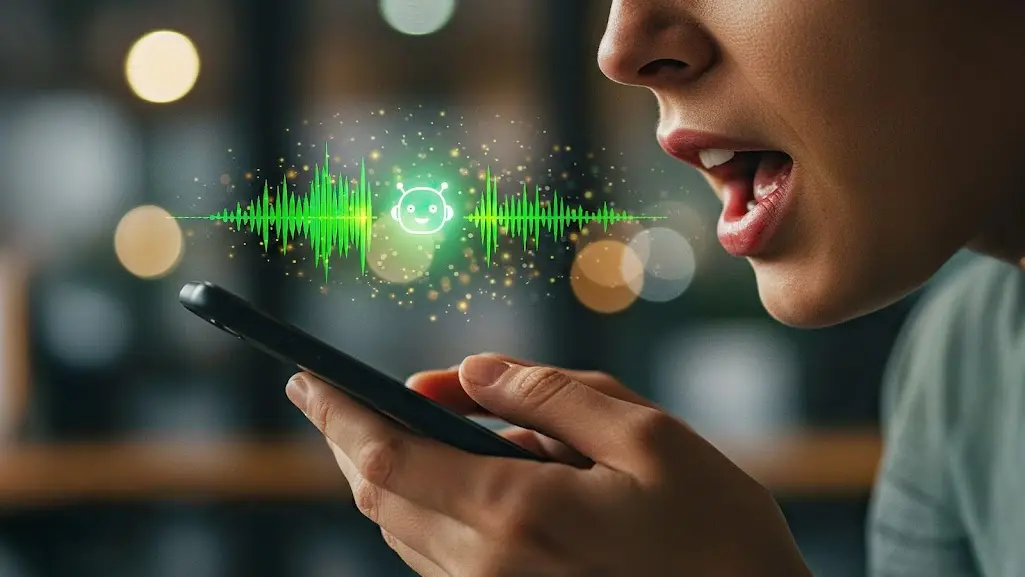
Voice-activated devices remain popular, shaping the way consumers consume information and buy products. Digital marketing trends of 2026 show that almost 55% of television households use smart speakers, with voice commerce reaching more than $80 billion in transactions.
Optimizing for Natural Language Queries
Traditionally, keywords used to optimize content were short, unrelated phrases. However, the use of voice search results in understanding conversational patterns and question-type queries. This has given rise to a new kind of SEO strategy.
- Question-focused content development: Developing content based on questions such as who, what, where, when, why, how, etc., and voice search queries.
- Featured snippet optimization: Creation of content that matches the featured snippets commonly retrieved by voice assistants.
- Local intent targeting: Voice Searches: Often include local modifying words like “near me.” Consequently, local SEO optimization is of utmost significance.
- Schema markup implementation: Structured data enables the ability for a voice search engine to understand the context of any given content.
- Conversational keyword research: Analyzing natural speech patterns rather than typed search behavior.
Voice Commerce Integration
Forward-thinking brands are developing voice-enabled shopping experiences that reduce friction in the purchase journey. From reordering supplies to discovering new products through voice recommendations, these capabilities are becoming table stakes for consumer brands.
- Voice-enabled reorder systems: Allowing users to re-order their common products via easy voice orders.
- Product discovery conversations: Voice-driven interactive experiences for helping customers navigate purchase decisions using specifications based on need.
- Tracking and customer services: Voice-assisted tracking information with minimum reliance on traditional channels.
- Voice-unique promotions: Unique promotions to encourage signups, exclusive to voice.
Organizations planning to get digital marketing services to increase the online presence of their brands need to ensure that voice optimization is a priority when considering search engine optimization strategies. Since businesses frequently need digital marketing services to grow, partnering with experts in these services is significant.
Contact our team to audit your voice search readiness and develop an optimization roadmap. Schedule your consultation now.
Sustainable and Purpose-Driven Marketing
Consumers, especially younger demographics, are prioritizing products based not only on brand values and environmental considerations but increasingly so. Marketing strategy 2026 will feature “not just the sustainability messages that consumers need to hear, not just tacked on as that fluffy bunny add-on, but that is fundamentally a key differentiator in terms of customer retention and customer value.”
Authenticity Over Greenwashing
The reaction to the superficiality of sustainability claims has led to the prioritization of authenticity. Consumers can effectively, and quite publicly, call out brands that do little more than make superficial environmental claims, putting the onus squarely on the shoulders of corporations.
- Transparency in supply chains: The open discussion of supply chain practices, manufacturing processes, and environmental concerns with verifiable data.
- Third-party certifications: Working towards accepted standards for sustainability (B Corp, Climate Neutral, Fair Trade).
- Impact measurement sharing: Sharing concrete metrics around carbon reduction, waste elimination, and social impact progress is published regularly.
- Employee advocacy programs: How to empower team members to share authentic stories about organizational sustainability programs.
- Long-term commitment communication: Defining multi-year sustainability goals as opposed to one-off campaigns.
Community-Centered Campaigns
Those brands that show signs of participation in the community and have areas of interest other than ‘just company goals’ connect on an emotional level. This approach is good for the 2026 B2B marketing trends, as buyers will look for a supplier whose values match their own.
- Local partnership programs: Collaborating with community organizations to address regional challenges
- Employee Volunteer Initiatives: Helping teams contribute time and expertise to worthy causes of their choice.
- Donation matching programs: Proving commitment by magnifying customer and employee philanthropic efforts.
- Cause-related Product Lines: Building cause-related product lines where some of the funds raised will be used to implement a particular cause or initiative.
Studies from various sources show that 73% of consumers are willing to pay more for products that are sustainable, and 86% expect companies to have positions on social issues. For businesses partnering with digital marketing solutions for brands, integrating purpose-driven messaging authentically differentiates offerings in crowded markets.
Read More: Nuff Foods Spectrum, Sustainable Brands
Read more about values-based marketing in our latest insights
Influencer Marketing Maturity and Micro-Influence
Influencer marketing has come a long way since the early celebrity endorsement days. Among social media marketing trends for 2026 is a move toward authenticity and niche expertise, as micro- and nano-influencers tend to present higher engagement rates and better ROI for most campaigns compared to the number of followers.
The Rise of Employee Advocacy
Smart companies understand that their best brand advocates may already be inside their organizations. Employee advocacy is a new form of using employees to amplify brand reach and build employee engagement and pride.
- Enabling social selling: Providing sales and services with shareable content that boosts their social brand.
- Thought leadership development: Enabling employees to develop their own thought leadership profiles through speaking, writing, and content development.
- In-house content creation initiatives: How to motivate teammates to share actual “behind the scenes” and company culture stories.
- Recognition and incentive systems: In numerous corporations, employees are encouraged and rewarded to improve the social presence of the company.
- Training and guidelines: Providing clear frameworks that empower sharing while protecting brand integrity.
Niche Expert Partnerships
When it comes to B2B brands, especially those partnering with industry thought leaders, that have a deep well of trust within targeted professional communities. These are the types of relationships that get you higher-quality leads than a typical broad-reach celebrity partnership.
- Long-term ambassador relationships: Going beyond transactional single-offer contracts to relationship contracts that establish credibility.
- Co-created content programs: Working with experts to create valuable content as opposed to promotional materials.
- Event and webinar partnerships: Leveraging expert audiences through joint educational programming
- Product development consultation: Using influencers within the creation processes with the aim of ensuring that the products developed actually meet existing needs.
Data shows that micro-influencer campaigns (10K-100K followers) generate sixty percent higher engagement than celebrity influencer programs while costing significantly less. Companies working with a B2B digital marketing agency services provider should explore employee advocacy and niche influencer strategies as cost-effective alternatives to traditional advertising.
Connect with our strategists to develop an influencer marketing program aligned with your business objectives.
Conclusion
From AI-powered personalization to privacy-first data strategies, and from video dominance to voice commerce optimization, the shifts we’ve explored represent fundamental changes in how brands connect with customers. Success requires more than awareness of these trends; it demands strategic implementation tailored to your specific business context and customer needs.
Whether you’re seeking professional digital marketing services for local businesses, need support from an ROI-focused digital marketing company, or require a comprehensive digital marketing agency for lead generation and branding capabilities, the time to adapt is now. The brands thriving in 2026 are those that view these changes not as challenges but as opportunities to build deeper, more meaningful relationships with their audiences.
Partner with our team to navigate these strategic shifts and position your brand for sustainable growth in the evolving digital landscape.
External Resources:
FAQs
1. How will digital marketing change in the next 5 years?
Digital marketing will become more AI-driven, privacy-focused, and personalized. Search behavior will continue expanding beyond traditional search engines into social platforms, AI assistants, and voice-based queries, requiring brands to create multi-platform strategies.
2. What is the 3-3-3 rule in marketing?
The 3-3-3 rule focuses on delivering the right message across three stages: attracting attention quickly, providing meaningful value, and guiding users toward action through clear communication and consistent engagement.
3. How is AI used in digital marketing?
AI helps marketers automate data analysis, personalize customer experiences, optimize campaigns, generate content variations, predict customer behavior, and improve targeting accuracy based on real-time insights.
4. What is one non-negotiable element in modern marketing?
Privacy-first marketing is now essential. Brands must prioritize transparent data usage, first-party data collection, and ethical marketing practices to build trust and maintain long-term relationships.
5. What type of content works best on each platform?
Short-form video works best on Instagram Reels, YouTube Shorts, and TikTok; educational and thought leadership content performs strongly on LinkedIn; long-form videos and tutorials excel on YouTube; and conversational content works well across AI-driven search platforms.
6. Why is YouTube video content dominating across platforms?
YouTube combines search intent with visual storytelling, making it powerful for discovery, education, and decision-making. Video content also improves engagement, retention, and SEO visibility.
7. What is conversational commerce?
Conversational commerce refers to buying experiences powered by chat, messaging apps, voice assistants, or AI tools that allow customers to ask questions, receive recommendations, and complete purchases through natural conversations.
8. What do you mean by voice commerce?
Voice commerce enables customers to search, compare, and purchase products using voice commands through smart speakers, mobile assistants, or voice-enabled devices.
9. Why is AI-powered personalization important in 2026?
Consumers expect tailored experiences. AI allows brands to deliver personalized messaging, recommendations, and content journeys that increase engagement and conversion rates.
10. How can businesses maintain a human touch while using AI?
By combining automation with human creativity, reviewing AI-generated outputs, using empathy-driven messaging, and ensuring brand voice consistency across campaigns.
11. What is zero-party data, and why is it valuable?
Zero-party data is information customers willingly share, such as preferences or interests. It improves personalization while respecting privacy, making it more reliable than third-party tracking methods.
12. Is long-form content still relevant in digital marketing?
Yes. While short-form content drives discovery, long-form formats like webinars, tutorials, and detailed guides help nurture leads and build authority during later stages of the buyer journey.
13. How do micro-influencers benefit marketing campaigns?
Micro-influencers often have highly engaged niche audiences, which leads to stronger trust, better engagement rates, and more cost-effective campaigns compared to celebrity influencers.
14. Why is video SEO important now?
Video content frequently appears in search results, and optimizing titles, descriptions, transcripts, and structured data helps increase visibility and reach across search engines and platforms.
15. How can I contact 42works for digital marketing services?
You can contact 42works directly at +91-9517770042 to discuss digital marketing strategies, AI-driven campaigns, and customized solutions designed to grow your brand online.