

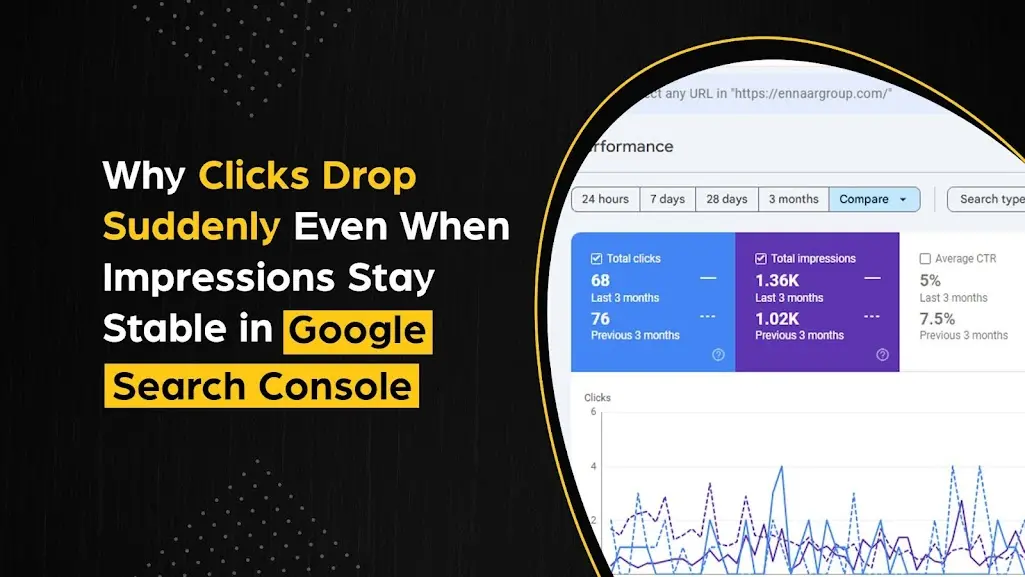
Google Search Console can feel confusing at times, especially when you open the Performance report and see impressions holding steady but clicks falling sharply. At first glance, it looks illogical. If Google is still showing your pages just as often, why are fewer users clicking?
This exact pattern is one of the most common reasons behind a Google Search traffic drop that leaves site owners guessing. In many cases, it also triggers panic around a sudden drop in website traffic, even when visibility appears unchanged. So, why does this happen? Well, the answer lies in how visibility, positioning, and user behavior interact on the search results page. Once you understand this relationship, it will all start to make sense.
And if you are one of those who face this issue consistently, it may be time to involve a performance-focused digital marketing service. A team like 42Works can help brands diagnose and recover from click and CTR losses using deep Google Search Console analysis.
Get the Ultimate Digital Marketing Checklist. Download Now! 👇
42Works’ Complete Digital Marketing Checklist
First, Understand What This Pattern Actually Means
When impressions remain stable, Google is still displaying your page in search results for roughly the same number of queries in Google Search Console. This means that relevance has not disappeared. Clicks dropping, however, tells a different story.
- Impressions staying stable means your page still qualifies to appear.
- Clicks dropping means searchers are choosing other results instead of yours.
This distinction is critical.
- The problem is usually not indexing or crawlability.
- The problem is almost always competition, presentation, or intent alignment.
Why This Matters More Than You Think
Many websites misinterpret this signal and focus on technical fixes instead. But in reality, this is a behavioral problem, not a technical one. This indicates that Google is still testing your page, and users are simply responding differently.
8 Reasons Why Your Clicks Are Dropping
When clicks fall, but impressions remain stable, the cause is rarely a single issue. It is usually a combination of ranking sensitivity, SERP changes, intent shifts, and user behavior, which is why digital marketing companies like 42Works analyze these patterns to stop engagement loss before it turns into a sustained traffic decline. Below are the eight key reasons that explain why clicks decline even when impressions remain stable.
1. Small Ranking Drops Can Cause Big Click Losses
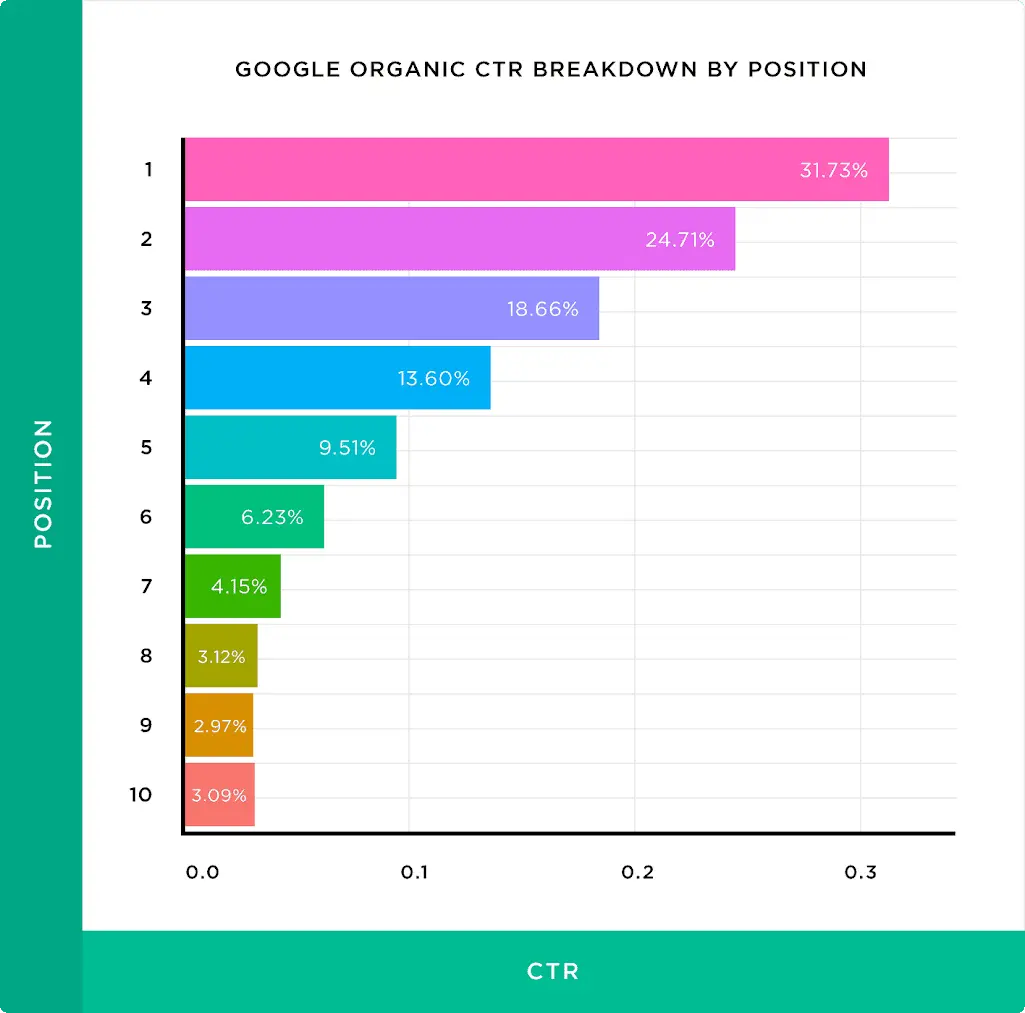
A page does not need to fall from page one to page two to trigger a Google Search traffic drop. Even a minor ranking shift can reduce clicks significantly while impressions remain stable in Google Search Console. This is one of the most common reasons behind a sudden drop in website traffic that feels unexplained at first glance. When Google Search Console impressions dropped are not visible, but clicks decline, ranking sensitivity is often the hidden factor.
How Ranking Sensitivity Affects Clicks
Users tend to focus heavily on the top few organic results, especially on mobile devices where screen space is limited. A page doesn’t need to fall from position #1 to #10 to lose clicks. Even dropping one or two positions can dramatically reduce click-through rate (CTR).
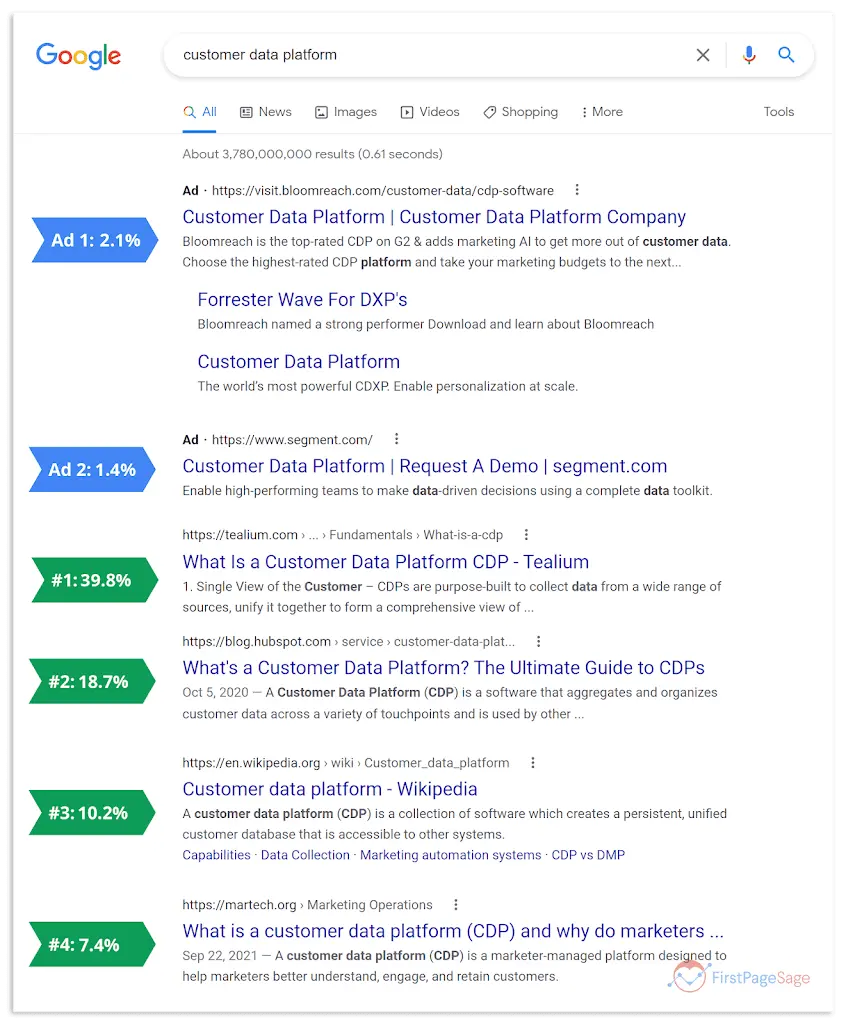
Why does this happen?
- Position #1 may get 25–30% of clicks
- Position #3 may get ~10%
- Position #6 may get <5%
So if your page slips:
- from #2 → #4
- or #5 → #7
Additionally, this happens for a few clear behavioral reasons on the search results page:
- Top-heavy behavior: Most clicks go to the very first few results. Many users don’t scroll much; they quickly scan the top of the page and choose from what they see there. Because of this, even dropping by one or two positions can cause a noticeable loss in clicks.
- Rapid CTR decay: Click-through rates fall sharply as you move down the results. The drop isn’t gradual; it’s steep, especially after the top three listings. This explains why traffic can decline significantly even when Google Search Console still shows similar impressions.
- User trust bias: Higher-ranking pages feel more trustworthy to users. People naturally assume top results are more relevant and credible. When a page slips down, that built-in trust fades, and clicks tend to drop almost immediately.
For example, when a page slips slightly:
- From position two to four
- Or from position five to seven
Impressions can remain stable, yet clicks drop sharply because user attention shifts upward to competing results.
Key takeaway:
Impressions measure visibility, not prominence. Ranking position controls prominence.
What You Should Analyze Next
To diagnose this correctly, you need to move beyond surface-level metrics. Focus on how ranking movement intersects with user intent and CTR behavior in Google Search Console. This is where professional analysis from companies providing top marketing services in Chandigarh can prevent further traffic erosion.
- Average position trends at the query level
- Movement of high-intent keywords
- CTR loss concentrated around specific positions
2. SERP Layout Changes Steal Attention Without Stealing Impressions

SERP layout changes are one of the most underestimated causes of a Google Search traffic drop. Even when rankings and impressions appear stable in Google Search Console, visual changes on the results page can quietly redirect user attention. This often leads to a sudden drop in website traffic without any obvious warning in performance reports. In many cases, site owners notice clicks falling before realizing the SERP itself has changed.
How SERP Features Impact Click Behavior

Modern search results are no longer just ten simple blue links. Google now shows many different features that compete for attention. These changes influence where users look first and how far they scroll, even though your page may still receive the same number of impressions.
- Featured snippets: Featured snippets often give users a direct answer right on the search results page. When people get what they need instantly, they don’t feel the need to click through. This lowers CTR even when Google Search Console doesn’t show a drop in impressions, contributing to more zero-click searches.
- People Also Ask boxes: These expandable questions break up the usual flow of organic results. Users frequently open several PAA questions and find their answers there, without ever clicking a standard listing. As a result, clicks can decline while impressions remain steady.
- Ads and visual blocks: Ads, video carousels, and image packs push organic results further down the page. On mobile devices in particular, a result can still rank on page one but require scrolling to be seen. This reduced visibility often leads to fewer clicks despite unchanged impressions.
For many websites, rankings remain unchanged while clicks fall because visibility does not equal attention.
Key takeaway:
An impression only means your result appeared. It does not mean it was actually seen or considered.
What You Should Analyze Next
To assess SERP-driven click loss, manual inspection is essential. Combine Google Search Console data with real-time SERP reviews to identify visual competition. Agencies providing digital marketing solutions like 42Works routinely analyze SERP composition as part of their services to uncover hidden CTR blockers.
- Presence of new SERP features for target queries
- Pixel depth of your organic listing
- Differences between desktop and mobile SERPs
3. Your Title and Meta Description Lost the Click Battle
A decline in clicks often means your result is no longer standing out in the search results. Even when impressions stay stable, weaker snippets can cause a noticeable Google Search traffic drop. This is a common reason behind Google Search Console impressions dropping, your page is still visible, but users aren’t compelled to click. In competitive spaces, snippet optimization can be the difference between growth and decline.
Why Snippet Competitiveness Matters
Search results are essentially a list of promises. Users pick the result that feels most relevant to what they need at that moment. If competitors refine their messaging while your snippet stays the same, clicks can shift away very quickly.
- Google title rewrites: Google may rewrite titles that seem unclear, too long, or misaligned with search intent. These rewrites often remove emotional appeal or clarity, which can reduce CTR even when rankings haven’t changed.
- Stronger competitor messaging: Competitors may include years, numbers, benefits, or outcomes that feel more practical and actionable. These small tweaks often outperform generic titles and gradually contribute to a Google Search traffic drop.
- Intent mismatch: Informational titles tend to lose clicks when users are actually looking for solutions, tools, or next steps. As search intent evolves, your snippet language needs to evolve with it.
Key takeaway:
Ranking earns visibility. Snippets earn clicks.
What You Should Analyze Next
CTR drops caused by snippet issues require a closer, query-level look and direct SERP comparison. This is where conversion-focused SEO, one of the core strengths of 42Works’ digital marketing solutions, can deliver quick, measurable improvements.
- Queries with declining CTR but stable positions
- Title changes triggered by Google
- Competitor snippet patterns
4. Search Intent Drift Keeps Rankings but Kills Clicks
Search intent often changes faster than rankings can keep up. This gap is a common reason for a sudden drop in website traffic, even when impressions remain steady. Google may still surface your page because it’s technically relevant, but users no longer feel it fully answers what they’re looking for. Over time, this mismatch shows up as a Google Search traffic drop.
How Intent Drift Impacts User Decisions
What users want today isn’t always what they wanted six months ago. Search results adjust quickly to these changes, but rankings usually respond more slowly.
- Shift from learning to comparing: Queries that once favored in-depth guides may now prefer comparison lists, calculators, or tools. When this happens, purely informational pages can lose clicks even though impressions stay flat.
- Commercialization of queries: As topics mature, users often move from learning to evaluating options or pricing. Pages that don’t adapt to this shift are usually the first to see CTR decline.
- SERP reinforcement: When users consistently click certain formats, Google strengthens those signals. Over time, the search results visually and contextually favor the formats users prefer.
Key takeaway:
Intent mismatch does not remove rankings immediately. It removes clicks first.
What You Should Analyze Next
Intent audits focus on matching your content type with what the current SERP is rewarding. Agencies like 42Works use intent mapping to protect performance and prevent long-term ranking erosion.
- Changes in top-ranking content formats
- SERP language shifts toward commercial terms
Declining CTR on previously strong queries
5. Device Mix Changes Mask the Real Problem
A change in device traffic can quietly reduce clicks even when impressions appear stable. This is a common reason behind situations where Google Search Console impressions dropped without an obvious cause. Mobile-heavy search results behave very differently, and ignoring device segmentation often leads to misleading conclusions about overall performance.
Why Device Behavior Changes CTR
Mobile users interact with search results in a very different way compared to desktop users. Smaller screens and more SERP features leave less room for organic results to stand out.
- Reduced above-the-fold space: On mobile devices, only a small number of organic listings are visible when the page first loads. Even high-ranking pages may appear below the fold, which naturally lowers click-through rates.
- Higher ad density: Mobile SERPs often place ads and rich features at the very top of the screen. This pushes organic results further down, reducing their visibility even when rankings haven’t changed.
- Different engagement patterns: Mobile users tend to scan quickly and make faster decisions. As a result, they are less likely to click informational results, especially when the SERP already shows partial answers.
Key takeaway:
Stable impressions across devices do not mean a stable opportunity.
What You Should Analyze Next
To understand real click loss, performance must be segmented by device. 42Works includes device-level diagnostics in every SEO performance audit to uncover issues that surface only on mobile or desktop.
- CTR comparison between mobile and desktop
- Impression shifts by device
- SERP layout differences across devices
6. Query-Level Loss Hidden by Aggregated Data
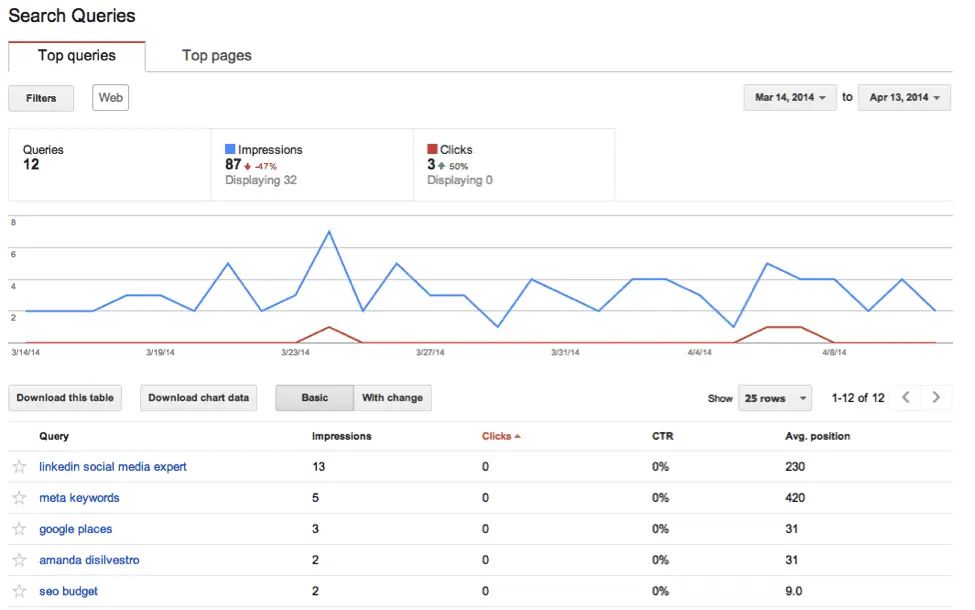
Aggregated reports often hide the real cause of a Google Search traffic drop. While total impressions appear stable, individual high-value queries may be losing clicks. This creates a misleading sense of stability when, in reality, performance is deteriorating where it matters most.
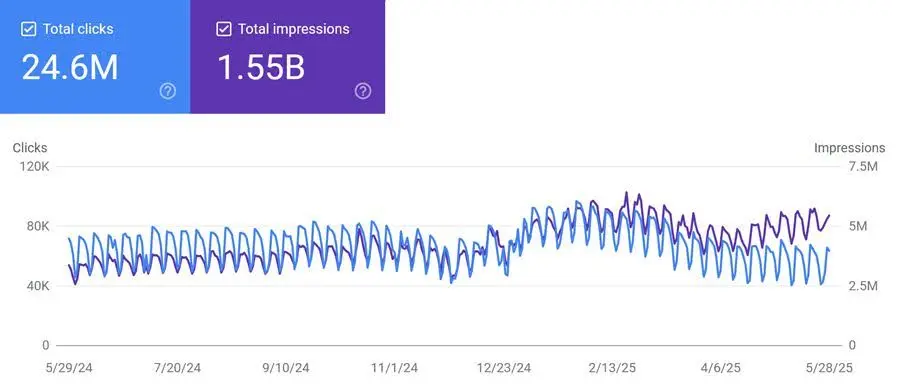
How Aggregation Distorts Reality
When low-intent queries gain impressions and high-intent queries lose clicks, totals can cancel each other out. This masks declining performance in revenue-driving areas.
- High-CTR queries lose visibility or appeal
- Low-CTR queries gain impressions
- Overall impressions remain stable
Clicks decline quietly.
Key takeaway:
Site-level stability does not equal query-level health.
What You Should Analyze Next
Query-level analysis is non-negotiable for accurate diagnosis. This is where data-led SEO teams like 42Works uncover hidden losses before rankings collapse.
- Click loss concentrated on branded or commercial queries
- CTR declines despite a stable average position
- Impression growth driven by low-value queries
7. Seasonality or User Behavior Shifts
Sometimes, a Google Search traffic drop has nothing to do with SEO mistakes or technical issues. Even when Google Search Console impressions remain stable, shifts in user mindset can significantly reduce clicks. This often leads to a sudden drop in website traffic that feels confusing because visibility hasn’t actually declined. In these cases, user behavior changes faster than overall search demand.
How User Behavior Changes Affect Clicks
Search volume can stay consistent while the reason behind searches changes. Users may still type the same queries, but their expectations and goals are different at that stage.
- Research-focused behavior: Users may be in information-gathering mode rather than ready to take action. This naturally reduces clicks on commercial or service pages, even when impressions remain steady. As a result, Google Search Console may show stable visibility while clicks fall.
- Skimming instead of clicking: Many users now scan search results to get quick answers. If the snippet or SERP feature satisfies their curiosity, they move on without clicking, directly lowering CTR.
- Industry or news-driven shifts: External trends, updates, or events can temporarily change how users interact with search results. During these periods, engagement patterns shift even though rankings and impressions remain unchanged.
In these situations:
- Google still shows your page regularly
- Users simply behave differently
Key takeaway:
Stable demand does not guarantee stable engagement.
What You Should Analyze Next
Drops caused by behavior changes require context, not quick fixes. Experienced digital marketing companies like 42Works factor in behavioral cycles during SEO diagnostics to avoid unnecessary or harmful changes.
- Historical performance during similar periods
- Query intent changes across time ranges
- CTR comparison across previous seasons
8. Google Is Testing Your Page (Soft Demotion Phase)
Before a noticeable ranking drop happens, Google often enters a testing phase. During this time, impressions may stay stable while clicks slowly decline. This “soft demotion” phase commonly explains a Google Search traffic drop that seems to come out of nowhere. It’s not a penalty; it’s an evaluation period.
How the Soft Demotion Phase Works
Google heavily depends on user interaction signals to confirm relevance. When engagement starts to weaken, Google observes behavior before making ranking changes.
- Impressions remain steady: Google keeps showing your page to test whether it’s still relevant. This is why Google Search Console impressions dropped and may not be immediately visible, even though clicks are falling.
- User interaction is monitored: Metrics like CTR, dwell time, and how users engage compared to competitors are closely watched. If searchers consistently choose other results, Google’s confidence in your page slowly declines.
- Clicks decline first: Click loss usually appears before any ranking change. Rankings tend to drop later, which can create a misleading sense of stability until the traffic decline becomes clear.
If CTR remains low over time:
- Rankings may eventually decline
- Impressions may follow
Key takeaway:
Click loss is often the first warning signal, not the final outcome.
What You Should Analyze Next
Catching issues during this phase can prevent long-term performance damage. 42Works regularly identifies soft demotion patterns early, before ranking losses fully materialize.
- Sustained CTR decline without ranking loss
- Query-level engagement trends
- Competitor engagement outperforming yours
How to Diagnose This Properly (Step-by-Step)
Getting the diagnosis right is what separates recovery from prolonged decline. When you’re facing a Google Search traffic drop while impressions remain stable, a structured approach is critical. Looking at just one metric almost always leads to the wrong conclusion.
A Practical Diagnostic Framework
Each step below focuses on a different cause of click loss. When viewed together, they reveal what’s really happening.
- Check average position trends: Even a small drop of 0.5 to 1 position can have a big impact on CTR. These subtle shifts often explain traffic losses that feel disproportionate.
- Compare CTR by query: Instead of focusing on total clicks, sort queries by the largest CTR decline. This helps uncover performance decay in your most valuable searches.
- Review SERPs manually: Look for new SERP features, layout changes, or stronger competitor listings. Visual dominance often steals clicks even when rankings look stable.
- Audit titles and descriptions: Check whether your snippets still feel clear, compelling, and aligned with current intent. Messaging that worked before can lose effectiveness quickly.
- Segment by device: Mobile traffic drops are a common cause of “unexplained” declines. Device behavior must always be analyzed separately.
- Re-check search intent: Confirm that your content still matches what users are looking for today. Intent drift often hides behind stable impressions.
Key takeaway:
Diagnosis must be layered, not linear.
The Big Takeaway
When clicks drop, but impressions stay stable, Google is sending a clear signal. Your page is still relevant enough to be shown in search results, but it’s no longer compelling or closely aligned enough to earn the click. Relevance keeps you visible, while appeal drives traffic, which is why this situation is often easier to fix than an impressions drop, especially when caught early.
That said, not every decline needs action. Context matters, and reacting too quickly to short-term or behavior-driven changes can lead to unnecessary or even harmful updates.
Important Caveats You Must Account For
Before reacting to a Google Search traffic drop, it’s important to rule out normal fluctuations and external factors. Search performance is shaped by timing, user behavior, and how Google reports data.
Data Lag and Normal Fluctuations
Google Search Console does not report data in real time, so short-term changes can look more dramatic than they really are. Because of this delay, reacting too quickly often leads to the wrong conclusions.
- Google Search Console data typically has a 48-hour delay before stabilizing.
- Weekend and weekday behavior differ significantly, especially for B2B and service-based searches.
- Week-over-week fluctuations of up to 10 to 15 percent are generally normal and do not indicate structural issues on their own.
Understanding these patterns helps prevent overcorrection before the data has fully settled.
Seasonality Considerations
Search behavior follows predictable cycles, and these cycles often affect clicks more than impressions. During certain periods, users search with a different mindset even though demand stays consistent.
- Holiday periods often shift users toward research rather than immediate action.
- Industry-specific cycles can temporarily reduce engagement without affecting visibility.
- School and work calendars influence when users browse, compare, or delay decisions.
In these situations, impressions may remain stable while clicks fluctuate simply because user urgency changes.
The Zero-Click Search Reality
In some cases, a drop in clicks has nothing to do with your page. Google increasingly satisfies user intent directly on the results page, reducing the need to visit a website.
- Featured snippets often answer questions instantly, removing the need to click.
- Knowledge panels fulfill informational intent without driving traffic.
- Instant tools, calculators, and converters end the search journey on the SERP itself.
- Local business information often completes the user journey before a site visit happens.
Key takeaway:
Not every drop requires fixing. Some drops require understanding.
When to Be Most Concerned
While many declines are temporary or contextual, certain patterns need immediate attention. These signals suggest that click loss could soon turn into ranking loss if ignored.
Immediate action is required if you observe:
- CTR drops greater than 50 percent for key commercial or revenue-driving terms.
- Declines lasting longer than seven days with no signs of recovery.
- Simultaneous drops in both ranking position and CTR.
- Measurable impact on high-value pages such as category pages, product pages, or service pages.
This is the stage where expert intervention matters most, because delayed action often leads to compounded losses that are much harder to reverse.
Turning Click Loss Into Growth With 42Works
When clicks drop, but impressions stay stable, Google is not rejecting your content. It is testing whether users still choose it. This phase is a warning, not a penalty. Brands that act early by improving intent alignment, snippet competitiveness, and SERP awareness recover faster and stronger. If you are seeing a Google Search traffic drop, Google Search Console impressions dropped, or a sudden drop in website traffic, 42Works provides strategic SEO and digital marketing services designed to diagnose and reverse exactly these issues.
Frequently Asked Questions
1. Why did my website traffic drop suddenly?
A sudden traffic drop, especially in Google Search traffic, can stem from technical issues like site errors or penalties, but also from non-technical reasons like ranking drops, SERP feature changes, or major competitor activity. Stable impressions with falling clicks specifically point to reduced appeal on the results page.
2. Can a Google algorithm update cause this?
Yes, absolutely. Core updates or refinements to how Google assesses quality and intent can change your ranking position or how your snippet is displayed, leading to a traffic change even if your impression volume looks similar.
3. How long should I wait before investigating a traffic drop?
Wait about 3-5 days to rule out normal daily or weekly fluctuations. If the drop in clicks is significant (e.g., over 20-30%) and persists beyond a week, you should begin a formal investigation using Google Search Console data.
4. What can a digital marketing agency like 42works do to help?
An agency like 42works provides expert diagnosis beyond surface-level metrics. We conduct deep Google Search Console audits, analyze SERP evolution, identify intent shifts, and execute precise on-page and technical SEO strategies to recover and grow your organic traffic.
5. Does 42works handle technical SEO issues as well?
Yes, comprehensive SEO is a blend of content, technical health, and analytics. 42works’ digital marketing services include full technical audits, site speed optimization, crawl error resolution, and structured data implementation to build a strong foundation for rankings.
6. How can I contact 42Works for help with my traffic drop?
You can reach out to our team for a consultation via email at contact@42works.net or by phone at +91-9517770042. We’re ready to help diagnose your traffic issues.
These Might Interest You:
How to Fix the ‘Server Error (5xx)’ in Google Search Console
How to Resolve the “Crawled – Currently Not Indexed” Issue in Google Search Console
Why Are Your Google Search Console Impressions Going Down?