
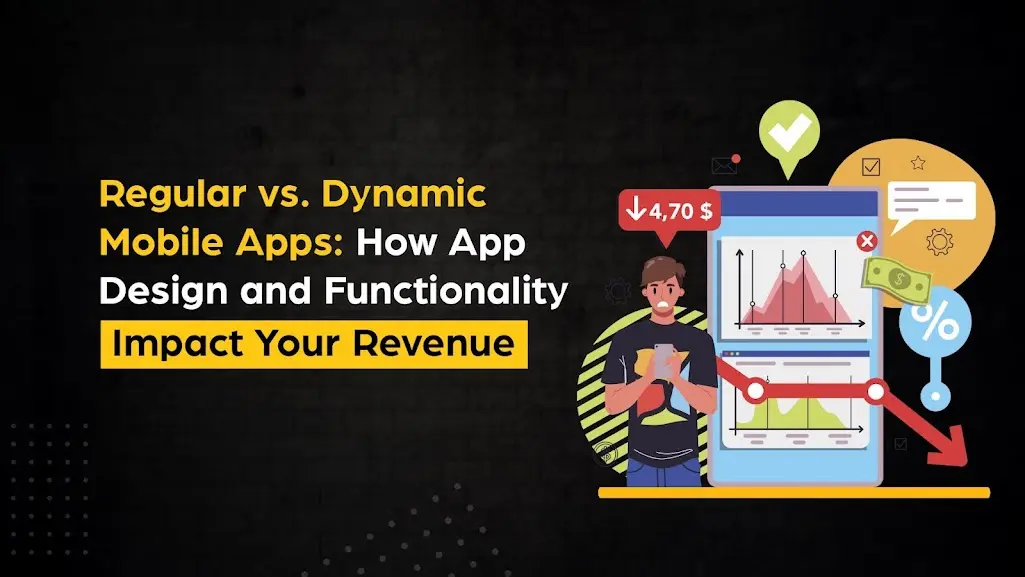
Hey, if you’re diving into mobile app development and wondering why some apps rake in cash while others flop, stick around. We’re breaking down regular vs. dynamic mobile apps today, and trust me, this choice hits your revenue hard. Ready to level up? Check out our top best mobile app development services in Mohali right here, or hit us up to chat, contact us now.
Download Our Complete Custom Mobile App Development Checklist 👇
42Works’ Custom Mobile App Development Checklist
What Are Regular Mobile Apps?
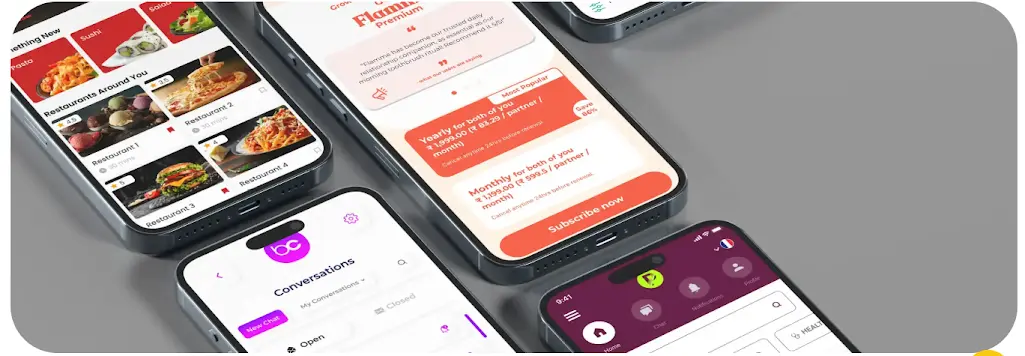
Imagine building an app that does one job and does it consistently. No evolving logic, no adaptive layers, just a clear structure decided early in mobile app development. These are regular or static mobile apps. They work well for simple requirements, but over time, they can quietly restrict scale and revenue.
Many businesses start with this model through a mobile app development company because it feels safe and predictable. However, as user expectations rise, the lack of flexibility becomes more noticeable.
Core Traits of Regular Apps
Let’s unpack what makes regular apps tick and why they might leave money on the table. Coming up, we’ll hit the key features that define them.
- Fixed UI Elements
In normal apps, the UI is decided at development time, especially in the case of Android mobile app development services in Mohali. Once it is launched, if there are any visual changes, you have to do a complete update. There is something reassuring about this first consistency. The experience gets repetitive over time, however, lead inevitably to decreased engagement and repeat usage.
- Static Content Delivery
Content is embedded directly into the app during iOS mobile app development services in Mohali. Even the tiniest of updates needs app store approval. This means content goes stale, and users have to wait longer for something new. This break in connection typically results in a decrease in interest and engagement in the app.
- Limited Interactivity
The majority of ordinary applications are bound to primitive gestures and only linear navigation methods in the framework of traditional mobile app development. There is little personalization, and there isn’t much that site visitors can do to shape the experience. This makes users less engaged and thus generally more prone to eventually leaving.
Static Data Handling
For the most part, normal apps just store or fetch data once & make life predictable in moving mobile app comparisons. But here’s the preview: this kind of system does not fare well with new stuff.
- Local Storage Reliance: Data should be stored on the device or loaded once from its server by a mobile apps development company. Real-time syncing is necessary as information can go stale fast. This dissonance undermines trust and makes the app seem less trustworthy for users.
- Batch Updates Only: Unlike the best mobile app development services in Mohali, updates to apps trickle down in batches via the app store. These lags toughen enhancements, and it restricts ability to respond to user demands. Over the long term, this lack of agility affects retention and revenue as well.
- No Real-Time Feeds: Regular apps rarely support live updates or advanced notifications. Features like instant offers or time-sensitive alerts are limited. Without urgency, users have fewer reasons to return, which gradually affects monetization.
Reference Article: Managing your app’s life cycle.
Revenue Hits from Regular App Limits

Regular or static apps do well when offline access is the priority. They are stable, predictable, and easy to launch during early mobile app development. However, in today’s fast-moving digital space, that same rigidity quietly blocks revenue growth. Any experienced mobile app development company sees this pattern repeat across industries. The app works, but the money does not scale with it.
As attitudes among users change, these constraints begin to crack. What used to seem straightforward begins to feel limited, especially as more agile mobile app development models are embraced by your competition.
Why Revenue Stalls
We’ll dive into pain points next, showing how fixed functionality drains your wallet.
- Poor User Retention: No new content or playing methods cause APP users to abandon the app faster. Every time they glance at the app, it looks the same. Usage tapers, and then there’s an increase in uninstall rates. Loyalty programs also underperform because nothing is truly personalized, driving return visits.
- Missed Upsell Chances: Static interfaces don’t offer high-impact offers or contextual prompts (that matter at the right time), particularly in Mohali projects implemented with Android Mobile Apps development services. And if a customer abandons a cart, the app can’t respond instantaneously. Instead, high-intent moments are squandered. It has a direct impact on the business’s conversions and revenue.
- High Maintenance Costs: It demands app store submission for every minor change you make to an iOS mobile app. These changes require time, clearance, and multiple tests. The cost keeps adding up, but revenue does not increase at the same pace. Eventually, maintenance feels heavier than growth.
- Scalability Walls: Static architecture is not suitable when it comes to handling a growing volume of users. Servers don’t do flexible loads, and they can’t support evolving features, and due to this, performance issues begin to appear. Once users encounter crashing or hangups, trust plummets quickly, and it can be very challenging to recover.
Offline-First Pitfalls
Offline-first design sounds appealing, especially for utility-focused apps. It works well for basic tasks. However, when revenue is the goal, this approach has serious trade-offs.
- No Live Personalization: Because data does not sync continuously, algorithms cannot adapt to user behavior in real time. Every user sees the same experience, regardless of intent or history. High-value users feel ignored. Eventually, they move to platforms offering smarter engagement through dynamic mobile app development.
- Delayed Monetization: You cannot change ads, subs, or feature unlocks based on context. Offers remain static for long durations, though use behavior changes. This causes longer monetization cycles and lowers the lifetime value. When it comes to static vs dynamic apps, compared to applications developed using the best mobile app development services in Mohali, static apps simply do not make money fast.
Enter Dynamic Mobile Apps
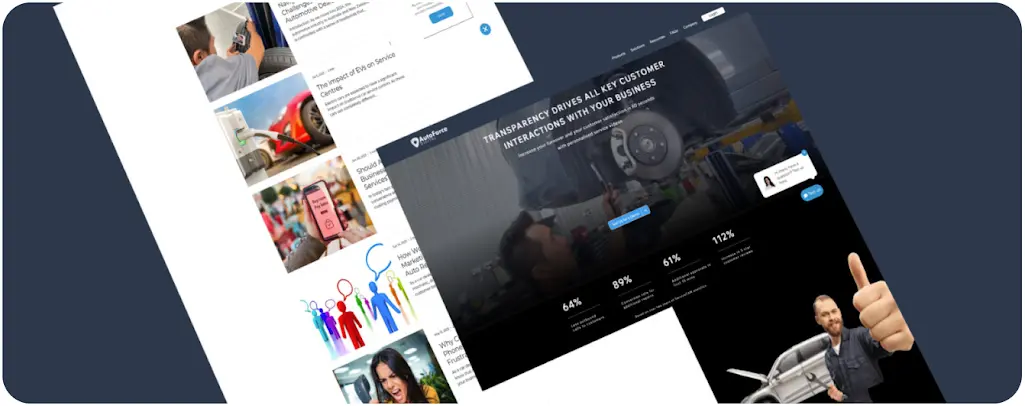
Now let’s shift the pace. Dynamic app development fundamentally changes the way apps grow post-launch. Instead of being locked in, they contain themselves to users, data, and context in real time. Created by a top-rated mobile app development service, dynamic apps give you space for better engagement and more stable revenue growth.
What distinguishes them is responsiveness. They feel the app is responding to what they’re giving it, and not just showing static screens. It’s that sense of relevance that keeps people coming back.
Power of Dynamic Features
This is where dynamic apps begin to have an advantage. The extent of their flexibility pretty much defines how users act and return.
- Real-Time UI Updates: Responsive apps update screens immediately via the server without waiting for app store submission. The best mobile app development services in Mohali often use this practice as it creates a refreshing experience. They see results almost immediately, which leads to longer usage and higher conversions.
- Live Data Streams: Content refreshes continuously through APIs as part of modern mobile app development services. Whether it’s feeds, pricing, or status updates, real-time data keeps the app feeling alive. That constant motion builds habit and repeated usage.
- Personalized Experiences: Experiences that are tailored in dynamic app development for mobile, content behaves depending on the way a user interacts. Feeds feel more timely, and timing feels more in sync. Retention naturally improves as users feel better understood.
- Push Notifications Galore: Instead of generic alerts, dynamic apps send context-aware notifications. These messages arrive when they actually matter. As a result, users are more likely to respond and take action.
Server-Driven UIs
Server-driven architecture sits at the core of dynamic apps. It gives teams control long after launch and makes mobile app development far more flexible.
- Instant Feature Flags: Features can be released or paused without forcing updates. This is especially useful in Android mobile app development services in Mohali, where testing and iteration need to move fast. Users benefit from smoother changes without disruption.
- Adaptive Content: Just like an adaptive design, the content adjusts according to the user’s interaction, and this is widely practiced in iOS mobile app development services in Mohali. Engagement grows when users find content that aligns with their purpose. This ultimately results in better conversion rates and greater loyalty.
Reference Article: Firebase Dynamic Links.
Revenue Boosts with Dynamic Design
Dynamic apps do not just run. They react, adapt, and evolve with users in real time. That is the real strength of dynamic mobile app development. When teams delivering Android mobile app development services in Mohali build apps this way, they design for behavior, not assumptions. As a result, users stay longer, interact more, and spend more naturally.
From the perspective of a mobile app development company, this approach changes the relationship with users. Instead of pushing features, the app responds. That emotional shift plays a big role in long-term revenue.
Monetization Superpowers
Here’s the breakdown on how dynamics pay off big. Pure gold ahead.
- In-App Purchases Surge: Live and personalized offers convert nearly twice as well, especially in apps built through iOS mobile app development services in Mohali. Because these offers appear at the right moment, purchases feel intuitive. Over time, impulse buying becomes more consistent.
- Ad Revenue Explosion: Dynamic ads refresh automatically based on user activity and trends. This keeps creatives relevant and improves engagement. As targeting improves, CPMs rise without overwhelming users.
- Subscription Retention: Personalized benefits and adaptive plans help reduce churn by around 25 percent. Users stay subscribed when the app continues to feel useful. This leads to more predictable revenue streams.
- Cross-Sell Magic: Smart carts suggest add-ons that match real intent. Suggestions feel helpful rather than random. As a result, average order value increases steadily.
PWA and Serverless Edge
Preview: Progressive Web Apps (PWA) load fast and skip installation barriers. This improves reach and lowers drop-offs at the first touchpoint.
- PWA Instant Loads: Progressive Web Apps load fast and skip installation barriers. This improves reach and lowers drop-offs at the first touchpoint.
- Serverless Cost Savings: Serverless backends are billed by demand. This ensures that costs also remain in line with the growth, a key advantage when working with the best mobile app development services in Mohali.
- Edge Computing Speed: Reduce latency by serving content from global CDNs. Quicker render times equals higher rate of checkout completion.
- Firebase Integration: Keep content and offers updated in real time through databases. This eliminates lags and keeps users interested.
Reference Article: Progressive Web Apps.
Making the Switch: Tips for Success
If it feels like your app is stuck in a revenue rut, you’re not alone. After relying on static builds for too long, many businesses hit this point. It can seem like a daunting prospect to switch to a dynamic app, particularly if your app has been live for years. But with the right mobile app development company, it is not nearly as perilous, and it can be much more rewarding. Most importantly, it also unlocks real-time interaction and quicker updates for better monetization.
This is not about reconstructing everything overnight. Rather, it’s all about the evolution of your current mobile app development plan and its ability to grow with users rather than being left behind.
Steps to Go Dynamic
So, before we jump headfirst into the new shiny tools or frameworks available to us, let’s take a step back and look at how this change can be properly phased in. A methodology provides some control and keeps the product steady while it changes.
- Audit Your Current App: Begin by pinpointing where your app is getting too stiff with the available mobile app development services. Watch out for static screens, delayed updates, or features that shop approvals for small changes. These pain points typically indicate where dynamic systems can provide some quick wins. Once known, prioritizing them makes the shift feel doable rather than overwhelming.
- Choose Right Tech Stack: Frameworks like React Native or Flutter are popular choices when teams want flexibility without rebuilding twice. They allow faster iteration while supporting both platforms efficiently. For teams offering Android mobile app development services in Mohali, this often means shorter release cycles. Over time, that speed directly improves user retention and feedback loops.
- Build Robust Backends: A dynamic app depends heavily on its backend. Serverless options like AWS Lambda help apps scale without heavy infrastructure overhead. Many teams delivering the best mobile app development services in Mohali use this approach to handle spikes in traffic smoothly. As a result, performance stays consistent even as usage grows.
Key Tools and Partners
The right tools help ensure a smoother execution once the foundation is set. Selecting mature platforms minimizes risk and facilitates concentration on user experience in development.
- Firebase for Real-Time: Firebase simplifies real-time databases, authentication, and analytics in one ecosystem. It fits naturally into modern mobile app development services where speed matters. With live data syncing, users see updates instantly. This immediacy often leads to higher engagement and longer session times.
- GraphQL APIs: GraphQL gives apps precise control over data fetching. Unlike traditional REST APIs, it avoids overloading screens with unnecessary data. This efficiency is especially useful in dynamic mobile app development, where content changes frequently. Over time, it improves performance and keeps interfaces responsive.
Check This Out: As a leading mobile app development company, we nail Android mobile app development services in Mohali and more.
Conclusion: Level Up with 42Works
Whew, from rigid regular apps to revenue-rocking dynamic ones, the choice is clear: go dynamic for that emotional high of watching your app thrive. Don’t settle for less. Team up with 42Works to get the best mobile app development services in Mohali and beyond; contact us today!
FAQs
- What’s the big difference between regular and dynamic mobile apps?
Regular apps are pretty fixed. Once they’re live, most changes need an app store update. Dynamic apps, on the other hand, pull live data from servers, so content and features can change instantly, which makes a big difference for engagement and revenue. - How does dynamic mobile app development boost revenue?
Dynamic apps react to how users behave in real time. That means better personalization, timely offers, and smarter notifications. When users feel the app is relevant, they stick around longer and spend more. - Are dynamic apps harder to build?
They do need a stronger backend setup than regular apps. But tools like Firebase have made things much easier than before. With a good mobile app development company, it’s very doable. - How can 42Works help with my app?
42Works helps you move from a static app to something more flexible and scalable. We’re known for the best mobile app development services in Mohali and handle everything from audits to dynamic upgrades. You get a smoother transition without breaking what already works. - What’s the cost of switching to dynamic?
There’s no one-size-fits-all number. It depends on features, traffic, and backend needs. That said, serverless setups often save money in the long run. - How do I contact 42Works?
You can drop an email at contact@42works.net to start the conversation. Or just call +91-9517770042 if you want quicker answers. We’re quick to respond!
Thought You’d Like These
9 Ways Mobile App Development Can Boost Your Business
Why Cross-Platform Mobile App Development Matters More Than Ever in 2026
The impact of app revenue model choices for app revenues: A study of apps since their initial App Store launch